Emergency Plumbing Guide: What to Do Before Help Arrives
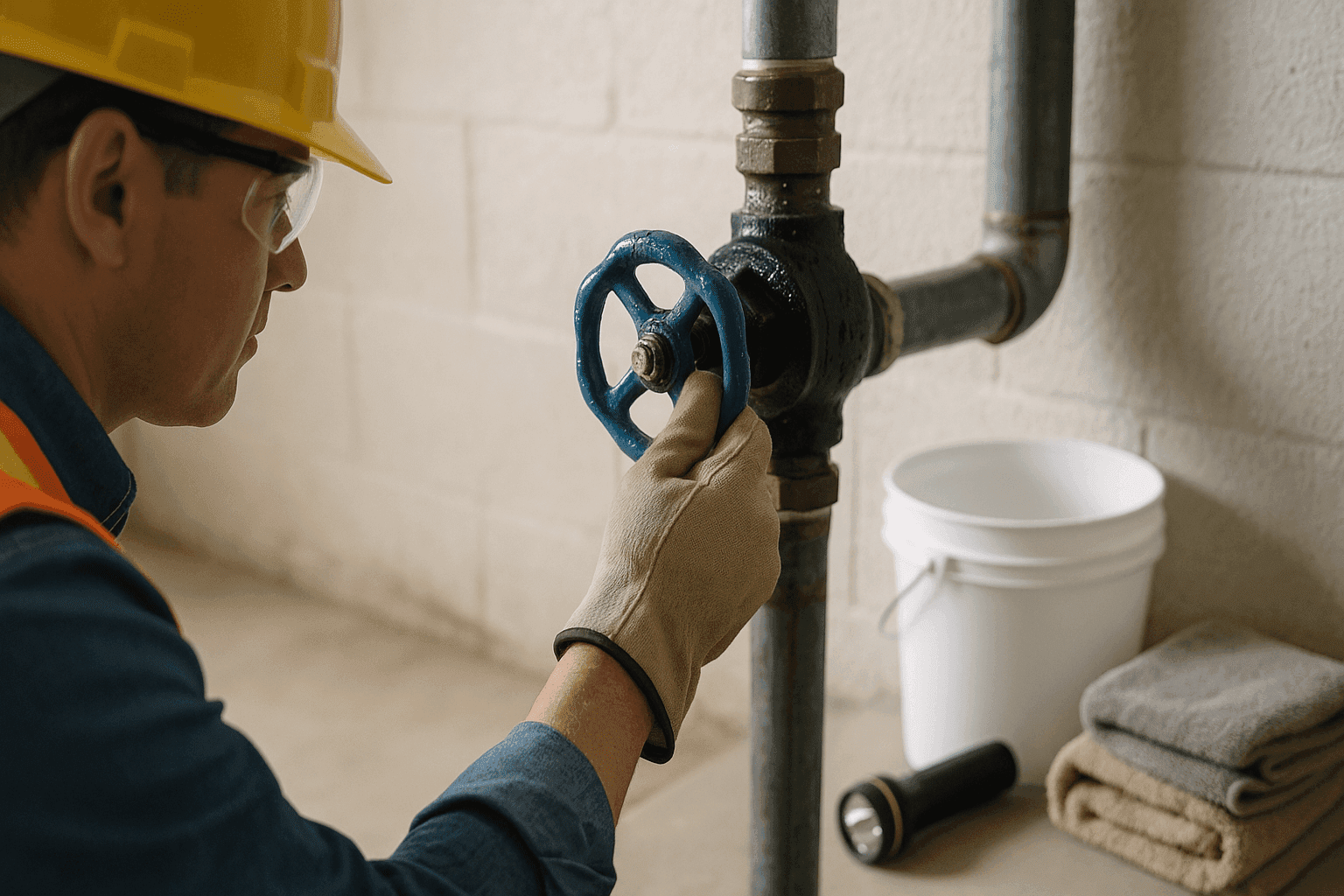
When water is spraying out of a wall or a bathroom floor is flooding fast, panic can set in. It’s a moment that tests everyone—homeowners, renters, business owners, and property managers alike.
At Narrow Way Plumbing, we’ve seen it all. These moments don’t wait for business hours, and the choices you make in the first few minutes can mean the difference between a quick fix and a costly repair. Here’s your step-by-step guide to making the right moves before help arrives.
Recognizing Plumbing Emergencies
Not every drip is a disaster. But some plumbing problems demand your attention—now.
- Burst pipes: Water pouring out suddenly or pooling in strange places.
- Overflowing toilets: Water rising, threatening to spill over and soak your floors.
- Major leaks: Under sinks, behind appliances, or from ceilings.
- Sewer backups: Bad smells, gurgling drains, or waste water returning.
- No hot water: Especially in winter or for sensitive operations.
- Gas leaks: Smell of rotten eggs or an unusual hiss near gas lines.
If it feels urgent, it probably is. Don’t wait to act.
Shutting Off Water Safely 🛑
Stopping the flow is priority number one. Imagine a river—cut off its source, and the flood stops.
- Find the main shut-off valve: Usually in basements, crawl spaces, garages, or near the water meter outside.
- Turn clockwise (righty-tighty) to shut it off.
- Toilets and sinks: Each usually has a local shut-off (small oval valve near the wall).
- Use these if only one fixture is affected.
- If you can’t find the valve: Ask building management or check your property’s emergency plan.
Always avoid electrical panels or outlets if water is pooling nearby. If you suspect danger, stay clear and call 911.
Containing Water Damage
Water on the loose is like a herd of wild horses—hard to wrangle, but quick action matters.
- Move valuables, electronics, and furniture out of harm’s way.
- Lay down towels, old sheets, or buckets to absorb and catch water.
- Open cabinets under sinks to help pipes dry out and prevent mold.
- If safe, use a wet/dry vacuum or mop to collect standing water.
- Ventilate: Open windows to help dry things out.
Take photos or short videos to document the damage. These can help with insurance claims later.
Temporary Fixes for Common Issues
Sometimes you need to MacGyver it until a pro arrives. Here’s what you can try:
- Leaky pipes: Wrap with heavy-duty tape, rags, or even a rubber patch and clamp to slow the leak.
- Overflowing toilet: Take off the tank lid and lift the float to stop the water flow. Then shut off the supply valve.
- Small leaks under sinks: Place a bucket underneath and avoid using the fixture.
- Garbage disposal jams: Turn off the power at the breaker, never reach inside. Try the reset button on the bottom.
Never use hot water or chemicals to try to clear a blocked drain if sewage is backing up. It can make things worse—or hazardous.
When to Call a Professional
There are times when the job’s too big, too risky, or just not worth the stress:
- Water won’t stop after you’ve shut off the main valve
- Sewage is backing up into your home or business
- You detect a gas smell or hear hissing near gas appliances
- Flooding threatens electrical systems
Call a licensed plumber for emergencies—especially for services like Kitchen Plumbing near you, sewer line repair, leak detection, and water heater issues. Safety first.
Clear Communication with Service Providers
When you call Narrow Way Plumbing or any pro, give details fast. It’s like giving directions during a storm.
- Describe what happened: Where’s the water? How fast is it flowing?
- Share what you’ve done so far: Shut off valves? Moved items? Any attempts to patch?
- Mention hazards: Electricity, slippery floors, or possible gas leaks.
This info helps plumbers arrive ready with the right tools, not just a guess.
Documenting Damage for Insurance
Insurance companies are like detectives—they love evidence.
- Take clear photos and videos of all affected areas.
- List damaged items with approximate value.
- Keep receipts for emergency repairs, cleanup, and any temporary lodging.
Many policies require prompt reporting. Contact your provider as soon as possible for guidance.
Quick Safety Checklist ✅
- Stop the water at the source.
- Turn off electricity if water is near outlets or panels.
- Avoid standing water if you suspect electrical hazards.
- Ventilate to reduce mold risk.
- Use protective gloves when handling contaminated water.
- Keep kids and pets away from the affected area.
DIY vs. Call a Pro
It’s tempting to go full DIY, but some fixes are best left to the pros.
DIY Might Work For:
- Tightening a loose pipe joint (if accessible)
- Replacing a washer in a faucet
- Using a plunger for minor toilet clogs
- Resetting a tripped garbage disposal
Call a Pro For:
- Major leaks or burst pipes
- Sewer line backups
- Persistent water heater failures
- Gas line issues
- Repeated clogs or backflow
Remember, some repairs must meet local plumbing codes. The International Plumbing Code and local guidelines often require licensed professionals for major fixes.
What Pros Do On Arrival
Expect a calm, methodical approach:
- Assessment: Plumber inspects the issue, reviews your documentation.
- Safety check: Ensures no electrical or gas hazards are present.
- Isolation: Confirms water and gas are safely shut off.
- Temporary solutions: Stops the immediate leak or clog.
- Repair plan: Explains next steps, materials needed, and estimated timeline.
At Narrow Way Plumbing, our team is trained to handle emergencies with precision—so you can breathe easier.
Prevention & Maintenance Tips
Like regular oil changes for a car, small steps can prevent big messes.
- Inspect visible pipes under sinks and behind appliances every few months.
- Know where your main shut-off valve is—and show family or staff.
- Schedule routine drain cleaning and backflow testing.
- Replace old hoses on washing machines and dishwashers.
- Install water leak sensors for early warnings.
- Have annual plumbing inspections, especially in older buildings.
Refer to recommendations from the EPA and your local building department for best practices.
Costs & Time Factors
Emergency plumbing can feel like a surprise storm. The scope, timing, and parts needed all affect the outcome.
- After-hours calls: May cost more, especially at night or on holidays.
- Type of repair: Simple fixes (like unclogging a drain) are faster and less expensive than repiping or sewer line repair.
- Severity: The more water, the more time (and sometimes the more hands) required.
Most emergencies are stabilized in 1–3 hours, but full repairs could take longer if parts must be ordered or walls need to be opened up. Always ask for a clear estimate before work begins.
When It’s an Emergency
Don’t hesitate if:
- Water is flowing and won’t stop.
- Sewage is leaking or backing up.
- There’s a gas smell or signs of a gas leak.
- Water is near electrical systems.
- You’re unable to manage the situation safely.
If in doubt, it’s better to act quickly and call for help.
FAQ
What should I do if a pipe bursts in the middle of the night?
Shut off your main water valve, move valuables out of the way, contain water with towels or buckets, and call a plumber immediately.
Can I use my plumbing while waiting for repairs?
If only one area is affected and you’ve shut off local valves, you might use other fixtures—but monitor closely for leaks.
How do I know if it’s a plumbing emergency or not?
If there’s risk of property damage, health hazard, or you can’t control the water, treat it as an emergency.
Will insurance cover water damage?
Most homeowner and commercial policies cover sudden, accidental damage. Document everything and contact your provider promptly.
Local and Seasonal Considerations 🌧️
Different regions face different threats:
- Winter: Frozen pipes can burst. Insulate exposed lines and let faucets drip in deep cold.
- Rainy seasons: Watch for sewer line backups and sump pump failures.
- Older neighborhoods: Pipes may be more prone to leaks or corrosion—consider preventative repiping.
Whether you’re in a single-family home, a high-rise, or managing a commercial property, stay prepared. Emergencies don’t keep to a schedule.
When the unexpected strikes, you don’t have to face it alone. Call Narrow Way Plumbing now — or reach us anytime at 877-748-7392 . We’re here to help you take those first smart steps, so you can get back to normal—fast.