Water Heater Repair vs. Replacement: How to Decide
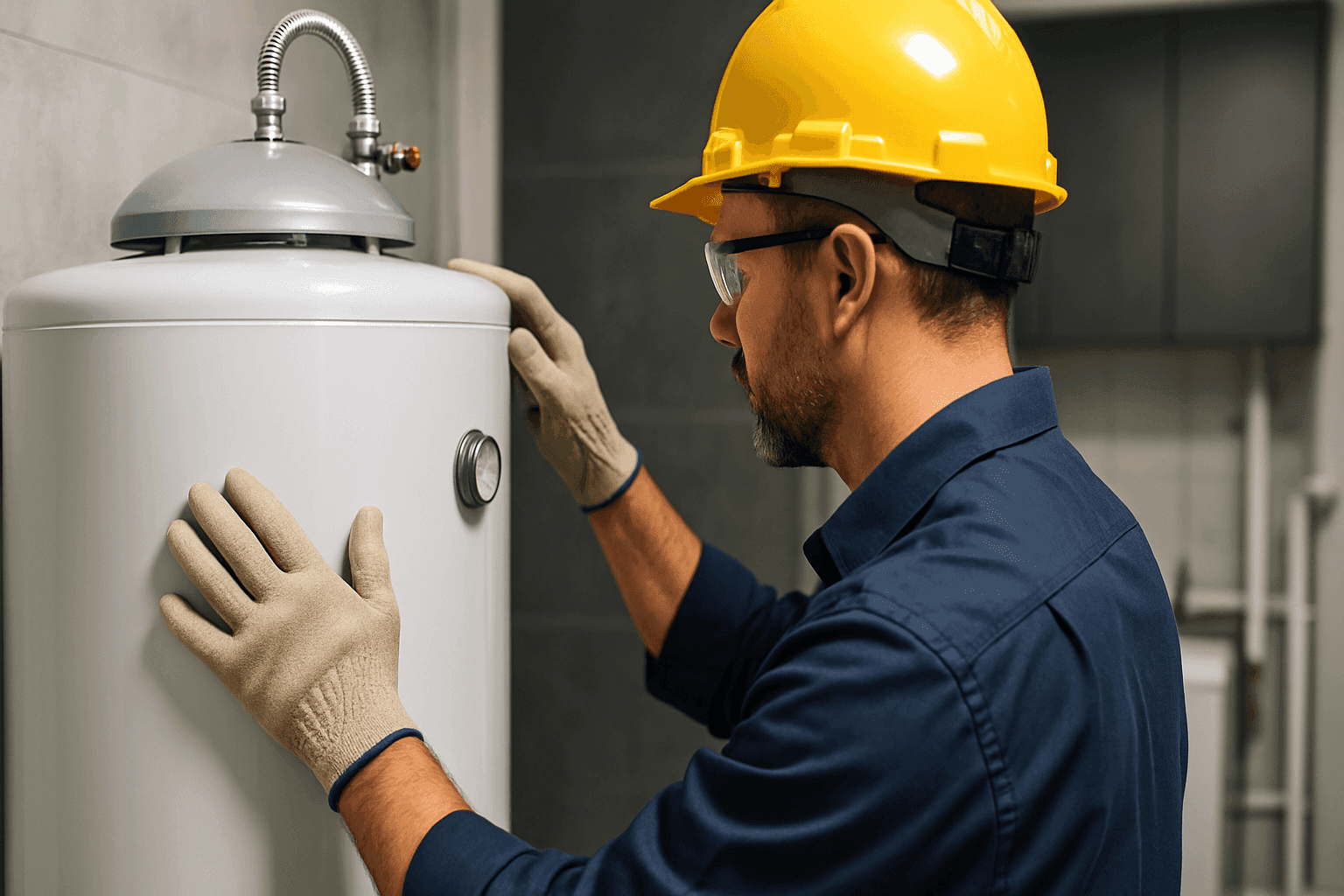
When your water heater starts acting up, it’s more than just an inconvenience. Cold showers. Unpredictable water. Leaks that creep under the floor. Whether you’re at home or running a busy office, these problems can throw a wrench in your day.
At Narrow Way Plumbing, we know water heater troubles can cause stress, safety concerns, even property damage if left unchecked. Let’s break down the decisions that matter—so you can act with confidence.
Signs Your Water Heater Needs Attention 🔍
Water heaters often give clues before they fail completely. Like a car’s warning light, the signs are easy to miss if you’re busy—until something goes wrong.
Look for these red flags:
- Unusual noises: Rumbling, banging, or popping sounds
- Discolored or rusty hot water
- Water that doesn’t get hot—or takes forever
- Leaks or pooling water beneath the tank
- Fluctuating water pressure or temperature
- A musty smell near the unit (could be mold or mildew)
- Pilot light issues (for gas heaters)
- Error codes or blinking lights (on newer units)
If you spot any of these, don’t ignore them. Small problems can become big repairs—or even emergencies—overnight.
Key Factors in Repair vs. Replacement
Deciding whether to repair or replace isn’t always simple. Picture it like an old pair of shoes: if the soles are worn and the stitching is gone, patching them may not be worth it. Your water heater is similar.
Ask yourself:
- Age: Most units last 8–12 years. Older than that? Replacement may be smarter.
- Frequency of repairs: Needing repairs more than once or twice a year? Costs can add up fast.
- Severity of issue: Minor leaks or thermostat problems are often fixable. Cracked tanks or severe corrosion are not.
- Energy efficiency: Newer models save on power and utility bills—a plus for both homes and businesses.
- Safety: Gas leaks, backflow, or electrical issues mean replacement may be the safest option.
For commercial spaces, downtime can mean lost revenue. Reliable hot water is crucial for kitchens, restrooms, and laundry. If breakdowns are frequent, a new unit could pay for itself in peace of mind.
Quick Decision Checklist
- Is the unit over 10 years old?
- Are repairs costing more than half the price of a new heater?
- Is there visible rust, corrosion, or major leaks?
- Does your building need consistent, high-volume hot water?
- Are you concerned about rising energy bills?
If you answered “yes” to two or more, it’s time to seriously consider replacement.
Typical Costs and Lifespans
Let’s talk numbers—but keep in mind, these will vary based on unit size, fuel type, and local labor rates.
- Repair: Minor fixes like thermostat or valve replacement can range from $100–$500.
- Replacement: New units (including installation) often cost $1,000–$3,500, depending on type and capacity.
- Lifespan: Traditional tank heaters last 8–12 years. Tankless models can go up to 20 years with regular maintenance.
A newer, efficient heater may reduce monthly utility bills by 10–20% (per U.S. Department of Energy estimates). Over several years, that adds up.
Energy Efficiency Considerations 🌱
Today’s water heaters are built with efficiency in mind. Older models may use more energy, like leaving a window open in winter. Upgrading can help:
- Lower your carbon footprint
- Save on electricity or gas bills
- Qualify for rebates (check ENERGY STAR guidelines and local utility programs)
For businesses, efficient units mean predictable costs and fewer headaches. For homeowners, it’s about comfort and savings.
When to Consult a Pro
Some water heater problems look simple but hide bigger risks. Gas leaks, electrical faults, or pressure issues should never be a DIY job. Here’s when to call for help:
- You smell gas or suspect a leak
- The circuit breaker keeps tripping
- There’s major water damage or flooding
- You see rust-colored water or metal fragments
- The pilot light won’t stay lit, or you notice soot
Remember, local codes often require licensed plumbing professionals for installation, gas safety checks, and certain repairs. Safety comes first.
What a Professional Plumber Does
When a Narrow Way Plumbing technician arrives, here’s what you can expect:
- A thorough inspection of the unit, water lines, and electrical/gas connections
- Diagnostic tests to pinpoint the cause of the issue
- Clear explanation of your options—repair or replacement—with no pressure
- Compliance with plumbing codes and manufacturer specs
- Cleanup and safe disposal of old units, if needed
We treat your property with respect and work quickly to get your hot water running again.
Emergency Situations: Acting Fast 🚨
A water heater breakdown in winter or during a busy workweek isn’t just inconvenient. It can be urgent:
- Frozen pipes can burst if water isn’t flowing
- Leaks can lead to mold, mildew, and costly water damage
- Hospitals, restaurants, and apartment buildings need hot water for safety and sanitation
If your water heater fails suddenly, shut off the power or gas supply and water inlet immediately (if safe to do so). Then contact a plumbing professional right away.
Simple Maintenance Steps
A little care goes a long way. Like changing the oil in your car, water heater maintenance can extend its life:
- Flush the tank once a year to remove sediment buildup
- Check the temperature setting (120°F is recommended by the U.S. Consumer Product Safety Commission)
- Inspect for leaks, rust, or corrosion regularly
- Test the pressure relief valve every 6–12 months
- Schedule annual plumbing checkups, especially for commercial properties
Don’t forget: If you’re not comfortable doing these checks, a plumber from Narrow Way Plumbing can help.
Frequently Asked Questions
How do I know if my water heater is beyond repair?
If it’s leaking from the tank itself, is over 10–12 years old, or needs frequent repairs, replacement is often the safest and most cost-effective choice.
Does a new water heater really save money?
Yes. Modern units use less energy and water, lowering utility bills. Some areas offer rebates for high-efficiency models.
Can I replace my water heater myself?
Unless you’re licensed and familiar with electrical, gas, and plumbing codes, it’s not recommended. Mistakes can lead to dangerous leaks or void warranties.
What’s best for businesses with high hot water demand?
Commercial-grade water heaters or tankless systems are built for heavy use and quick recovery. A plumbing professional can recommend the right size and type.
Local and Seasonal Factors
In colder climates or during winter, water heater failure can quickly become a crisis. Frozen pipes, increased demand, and longer recovery times are common. Scheduling regular maintenance before the cold hits helps prevent surprise breakdowns.
If you’re in an area with hard water, mineral buildup (scale) can shorten your heater’s lifespan. Water filtration systems or regular tank flushing may help.
Whether you’re searching for “Kitchen Plumbing near you” or need a fast fix for your business, Narrow Way Plumbing handles water heater repair, installation, and routine checks for every season.
Ready to take action?
Call Narrow Way Plumbing now — or reach us anytime at 877-748-7392 .