How to Prevent Clogged Drains: Tips for Homes & Businesses
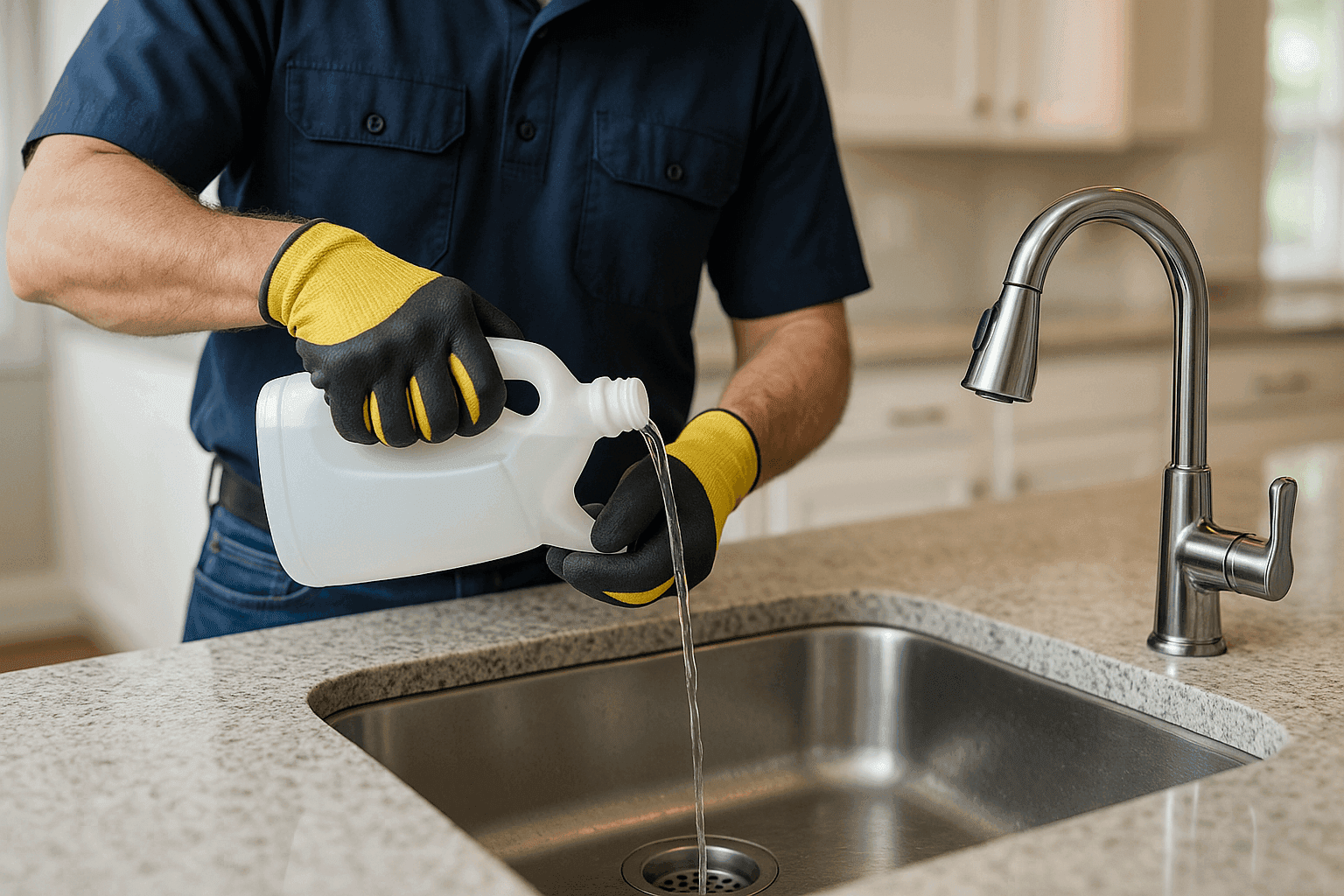
No one wakes up hoping for a clogged sink or toilet. Whether you're running a busy restaurant, managing an office, or just trying to keep your kitchen plumbing at home flowing, drain backups can stop everything in its tracks. The good news? Most clogs are avoidable with a little knowledge and routine care.
At Narrow Way Plumbing, we've seen it all—from spaghetti-packed sinks to toys stuck deep in office restrooms. We know what works, what doesn’t, and how a few smart habits can save you time, money, and headaches.
Understanding Common Causes of Clogs 🛑
Clogs rarely happen overnight. Think of your plumbing like a city highway: when debris piles up, traffic jams follow. Here are the most frequent culprits behind those slow drains and sudden blockages:
- Grease and Fat: In kitchens, hot grease looks harmless. But as it cools, it clings to pipes like glue.
- Food Scraps: Even with a garbage disposal, fibrous veggies (think celery, potato peels) can wrap around blades or settle in bends.
- Soap Scum and Hair: Bathrooms are notorious for hairballs and sticky soap residue collecting in traps.
- “Flushable” Wipes: Despite the label, these wipes break down slowly—if at all—and tangle with other debris.
- Foreign Objects: Children’s toys, cotton swabs, paper towels, and feminine products don’t belong in drains or toilets.
- Mineral Buildup: Hard water leaves mineral deposits that shrink pipe diameter over time.
- Commercial Culprits: In businesses, everything from coffee grounds to mop strings can clog up floor and utility drains.
Ignoring early warning signs—like gurgling sounds, slow draining, or foul odors—is like ignoring a check engine light. The problem only gets worse.
DIY Drain Maintenance: Daily & Weekly Habits
You don’t need a toolbox to keep blockages at bay. Most of the best prevention tips are about what you don’t put down the drain and a few regular routines:
- Wipe, Don’t Rinse: Scrape plates into the trash or compost before rinsing.
- Use Sink Strainers: These simple screens catch food and hair. Empty them daily.
- Run Hot Water: After using the sink, flush pipes with hot water to help move oils along.
- Weekly “Flush”: Pour a kettle of boiling water down each drain. For bathroom sinks, add a half-cup of baking soda followed by vinegar, then rinse with hot water.
- No Chemicals: Skip harsh drain cleaners. Over time, they corrode pipes and harm the environment. Opt for enzyme-based cleaners for monthly maintenance.
- Toilets are for TP: Only flush toilet paper (and what nature intended). Everything else goes in the trash.
Simple steps, but they add up. Just like brushing your teeth—regular care prevents bigger issues down the line.
Best Practices for Businesses
Commercial properties face unique plumbing challenges. With more people using the facilities, the risk of blockages multiplies. Here’s how businesses can avoid disruptions:
- Install Floor Drain Screens: Especially in kitchens and utility areas.
- Train Staff: Teach everyone what can and can’t go down sinks, toilets, and mop basins.
- Post Reminders: Clear signage in break rooms and restrooms goes a long way.
- Schedule Routine Inspections: Have a professional plumbing company perform regular checks, especially in high-traffic areas.
- Monitor Grease Traps: For restaurants and cafeterias, regular grease trap cleaning is essential—city codes often require it.
For businesses, prevention isn’t just about convenience—it’s about avoiding lost revenue and costly repairs.
Seasonal Drain Care: Adapting for Weather & Holidays ❄️
Seasons change, and so do plumbing risks. Here’s what to watch for:
Winter (Freeze/Thaw)
- Insulate Pipes: Especially those along exterior walls or in unheated spaces.
- Keep Heat On: Prevent freezing by keeping indoor temps above 55°F.
- Let Faucets Drip: In deep cold, a slow trickle keeps water moving.
- Clear Outdoor Drains: Remove leaves and debris before the first freeze.
Holidays
- Prepare for Guests: More people = more strain on plumbing. Remind guests about what not to flush or rinse.
- Stagger Showers: Give drains time to clear between uses.
- Check Sump Pumps: Before spring rains, test for proper operation.
Spring/Summer
- Inspect Outdoor Drains: Clear mud, leaves, and trash.
- Water Heater Check: As demand rises, make sure it’s performing efficiently.
- Backflow Prevention: Heavy rains can overwhelm sewers—backflow devices protect your property.
By staying a step ahead, you can avoid surprise plumbing emergencies when everyone else is scrambling.
When to Seek Professional Help
Some warning signs mean it’s time to call in a professional plumbing company like Narrow Way Plumbing:
- Multiple Slow Drains: Blockages in more than one fixture usually mean trouble deeper in the system.
- Water Backing Up: Toilets or sinks that overflow instead of draining—especially after running other appliances.
- Persistent Odors: Rotten egg smells or sewer gas indicate a possible breach or vent problem.
- Visible Leaks: Water around fixtures, under sinks, or near sewer lines needs immediate attention.
- Noisy Pipes: Loud banging, whistling, or gurgling sounds are red flags for pressure or blockage issues.
Don’t wait for a full-blown emergency. Quick intervention can minimize damage and costs.
The Cost Savings of Routine Drain Care
Preventative maintenance is like changing the oil in your car: it’s a small investment that pays off big. Professional drain cleaning, leak detection, and sewer line inspections catch small issues before they become major repairs.
- Save on Repairs: Emergency plumbing fixes are always pricier than scheduled maintenance.
- Avoid Water Damage: Untreated clogs can lead to leaks, mold, and even structural damage.
- Extend Pipe Life: Clean pipes last longer, keeping your plumbing healthy for years.
According to the International Association of Plumbing and Mechanical Officials (IAPMO), routine care can reduce major plumbing repairs by up to 40%. These aren’t just numbers—they’re peace of mind.
Red Flags for Early Intervention 🚩
Knowing what to look for can save you from disaster:
- Water draining slower than usual
- Bubbling or gurgling drains
- Unpleasant odors near sinks or drains
- Unexplained wet spots on floors or walls
- Repeated need to plunge toilets or sinks
Spot these signs? Take action early.
Pro Tips: Backed by Industry Standards
- Always use fixtures and pipes approved by the Uniform Plumbing Code (UPC).
- Install backflow prevention devices where required.
- Keep water pressure within recommended limits—usually between 40-60 psi—to avoid stress on pipes.
- Schedule annual professional inspections, especially for older buildings or high-traffic businesses.
These aren’t just recommendations—they’re best practices recognized by plumbing professionals nationwide.
Frequently Asked Questions
How often should I clean my drains?
For residential homes, a monthly flush with hot water and baking soda/vinegar works well. Businesses should schedule professional cleaning at least twice a year, or more often if you notice slow drains.
Are chemical drain cleaners safe?
Most off-the-shelf chemical drain cleaners can damage pipes, especially older ones. They also pose environmental hazards. Enzyme-based cleaners are a safer, more effective choice for routine care.
What should I do if a drain won’t clear with a plunger?
If plunging doesn’t work, avoid pouring more chemicals. Try a drain snake for minor clogs. If still blocked, it’s time to call a professional plumbing team.
Can tree roots cause clogs?
Yes, in older sewer lines, roots are a common culprit. Annual sewer camera inspections can catch root intrusion before it becomes a major issue.
Action Steps for Homes & Businesses
- Install strainers on every sink and floor drain.
- Train everyone on what not to flush or pour down drains.
- Set a monthly reminder for basic drain cleaning.
- Schedule annual inspections with a licensed plumbing professional.
- Watch for leaks, slow drains, or unusual smells—and act quickly.
Final Thoughts: Prevention is Worth It
Clogged drains are more than a nuisance—they can disrupt homes, halt businesses, and lead to expensive repairs. With just a bit of attention, you can keep your plumbing flowing smoothly all year long.
For everything from emergency clogs to preventative maintenance and kitchen plumbing near you, Narrow Way Plumbing is here to help.
Call Narrow Way Plumbing now — or reach us anytime at 877-748-7392 .