Backflow Prevention: Why Every Property Needs It
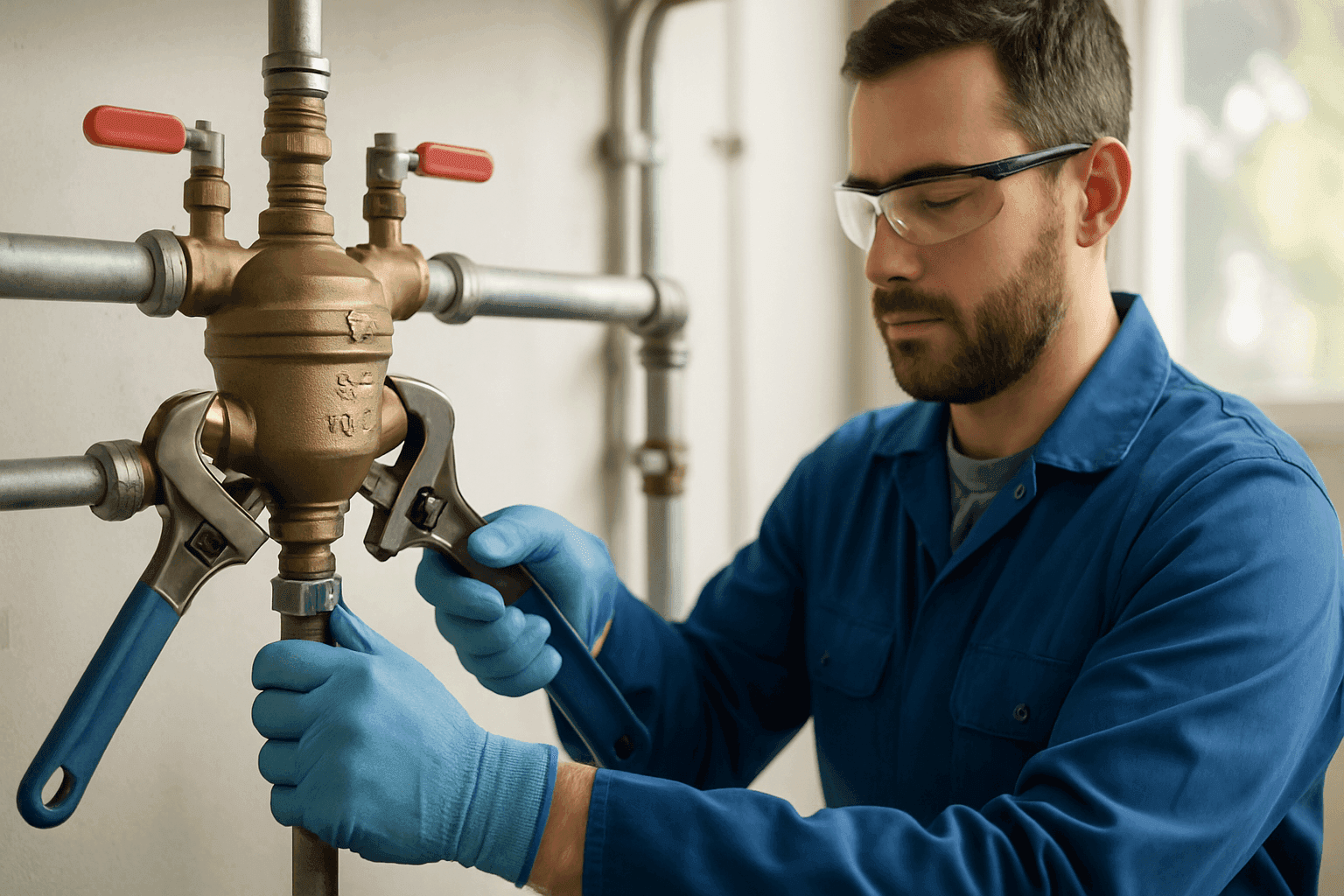
Water should always flow one way—fresh in, waste out. But sometimes, the rules get broken. Backflow happens when water reverses course and dirty water sneaks into the clean supply. The results? They can be downright dangerous.
At Narrow Way Plumbing, we see firsthand what can go wrong when backflow prevention is ignored. From small homes to busy commercial kitchens, no property is immune. Let's break down why this matters for you, and what you can do to protect your water, your health, and your peace of mind.
What Is Backflow and Why Does It Happen? 🚱
Picture your plumbing like a system of rivers. Water flows in, does its job, and departs down the drain. But sometimes, a big storm, a burst pipe, or a sudden drop in water pressure flips the current. Instead of flowing away, contaminated water gets pulled back toward your faucets.
Backflow can be caused by:
- Sudden drops in city water pressure (like a broken main)
- Back-siphonage from garden hoses or sprinkler systems
- Pumps or booster systems malfunctioning
- Cross-connections between potable and non-potable water
Imagine filling a bucket from your hose. If the pressure drops, the water in the bucket—and whatever’s in it—could get sucked back into your home’s drinking supply. That’s backflow in action.
Health and Legal Risks of Backflow
Backflow isn’t just a plumbing headache. It’s a real health hazard. Contaminants like fertilizers, pesticides, human waste, or cleaning chemicals can all enter your drinking water.
According to the Centers for Disease Control and Prevention (CDC) and plumbing codes like the Uniform Plumbing Code (UPC) and International Plumbing Code (IPC), backflow prevention is not optional. It’s a requirement for safety and legal compliance in both residential and commercial properties.
Risks include:
- Waterborne diseases (E. coli, Giardia, Norovirus)
- Chemical contamination
- Property damage and costly repairs
- Legal penalties or fines for non-compliance
For businesses, especially restaurants and healthcare facilities, the stakes are even higher. Failing an inspection due to backflow can mean shutdowns and loss of reputation.
Essential Devices for Prevention
You wouldn’t leave your front door unlocked. The same thinking applies to backflow. Specialized devices keep the wrong water out of the right places.
Common backflow prevention devices include:
- Atmospheric Vacuum Breaker (AVB): Prevents siphoning at individual fixtures.
- Pressure Vacuum Breaker (PVB): Used on sprinkler systems and outdoor plumbing.
- Double Check Valve Assembly (DCVA): Provides protection for larger systems, both residential and commercial.
- Reduced Pressure Principle Assembly (RPZ): Offers the highest level of safety, often required for sensitive businesses or medical facilities.
Each device has its place—your plumber will select the right one based on local codes, your plumbing layout, and your specific risks.
Testing Requirements for Homes and Businesses
Backflow devices aren’t “set it and forget it.” Regular testing is required by law in most areas. Why? Because these devices can fail. Springs wear out, seals crack, and valves get stuck.
Typical testing requirements:
- Annually for commercial properties, restaurants, and multi-family units
- Every 1–3 years for single-family homes, depending on local ordinances
Certified testers must inspect and document each device. This isn’t just paperwork—it’s proof your water is protected. Local water authorities or health departments may request your records at any time.
Signs You Need Immediate Service
Sometimes backflow issues hide out of sight. But there are warning signs every property owner should watch for:
- Sudden changes in water color, taste, or smell
- Unexplained drop in water pressure
- Water backing up into sinks, tubs, or toilets
- Visible water near backflow device or main shutoff
- Alerts from your local water provider
If you notice any of these, it’s time to call a licensed plumbing professional for inspection—fast.
Quick Safety Checklist
Is your property protected? Run through this quick list:
- Check if you have a backflow prevention device installed on main lines and irrigation
- Find out when your last test was performed (look for tags or paperwork)
- Inspect visible plumbing for leaks or corrosion
- Ensure all hose bibs and utility sinks have vacuum breakers
- Know where your main shutoff and device are located
If you’re unsure about any item, it’s wise to consult a qualified plumber for an assessment.
DIY vs. Call a Pro
Some basic checks—like looking for visible leaks or reading a test tag—are safe for homeowners. But when it comes to installation, repair, or annual testing, leave it to licensed plumbers.
Why? Backflow prevention devices are complex. They must be installed to code and tested with specialized equipment. Mistakes can put your entire water supply at risk and may violate local law.
What Pros Do On Arrival
When you call Narrow Way Plumbing for backflow service, here’s what to expect:
- Assessment: We inspect your system, identify all cross-connections, and determine the correct device for your needs.
- Testing: Using calibrated tools, we check device performance, pressure differentials, and valve function.
- Documentation: We provide official test reports for your records and for local authorities.
- Repairs or Replacement: If a device fails, we explain your options and fix the issue on the spot whenever possible.
- Guidance: We help you understand ongoing maintenance needs and answer any questions.
Prevention & Maintenance
Staying ahead of backflow issues is easier than cleaning up after one.
Tips for prevention:
- Schedule annual device testing with a certified plumber
- Never submerge hoses in buckets, pools, or tanks—use proper air gaps
- Inspect irrigation and sprinkler systems each season
- Install hose bib vacuum breakers on all outdoor spigots
- Replace aging devices before they fail
Regular maintenance keeps your plumbing safe, your water clean, and your property up to code.
Costs & Time Factors
Backflow prevention is an investment in safety—one that can save thousands in avoided repairs and health costs.
- Testing typically takes 30–60 minutes per device.
- Installations may require several hours, depending on site complexity and accessibility.
- Costs vary by device type, property size, and location, but routine tests are generally affordable when compared to the risks.
Remember: Delaying service can lead to bigger bills later.
When It’s an Emergency
Sometimes, backflow isn’t a slow creep. It’s a sudden rush. If you see water flowing the wrong way, sewage smells, or contamination warnings from your provider, act immediately.
- Shut off your main water supply
- Avoid using taps until cleared by a plumber
- Inform your water provider if you suspect contamination
Prompt action protects your family, tenants, or customers from exposure.
FAQ: Backflow Prevention
Q: Is backflow prevention required for every property?
A: Most plumbing codes—including UPC and IPC—require backflow prevention on all cross-connections. Specific requirements vary, so check with your local building department or ask your plumber.
Q: How often should backflow devices be tested?
A: Annually for most businesses and multi-family properties. Single-family homes may have longer intervals, but annual checks are always safest.
Q: What happens if I skip testing?
A: You risk contaminated water, property damage, legal penalties, and failed inspections. Some areas may shut off your water until testing is complete.
Q: Can I install a backflow device myself?
A: Only licensed plumbers should install or repair backflow devices. Improper installation can fail inspections and put your property at risk.
Local and Seasonal Considerations
Backflow risks climb during certain times of the year—especially spring and summer. Lawn irrigation, pool filling, and hose use all increase cross-connection hazards. Cold winters can freeze and crack plumbing, making leaks and failures more common.
Know your local climate and water regulations. In some regions, droughts or water restrictions can affect backflow testing schedules or device requirements. Stay informed by checking with your city or county water authority.
Your Clean Water, Our Priority
Clean, safe water is something everyone deserves. Backflow prevention is the silent guardian of your plumbing—protecting homes, businesses, and communities.
If you’re unsure about your property’s protection, don’t wait for a problem to show itself. Get peace of mind with a professional inspection and testing service from Narrow Way Plumbing.
Call Narrow Way Plumbing now — or reach us anytime at 877-748-7392 .