How to Detect and Fix Hidden Plumbing Leaks Before They Cause Damage
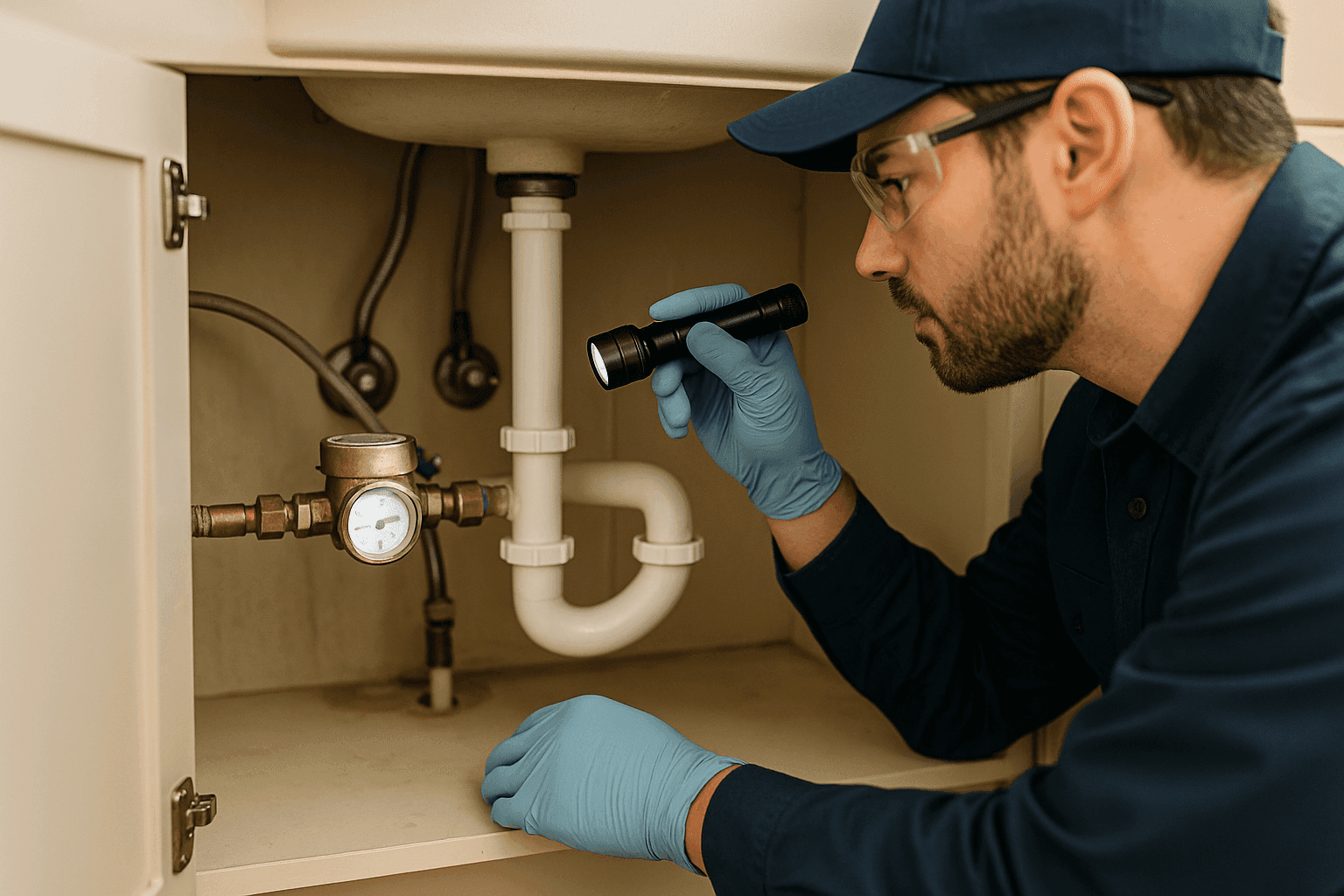
Have you ever opened a water bill and felt your heart sink? Or maybe you’ve caught a whiff of musty air in the hallway and wondered, “Is something leaking?” Plumbing leaks are sneaky. They hide in walls, under floors, and behind appliances—often causing trouble long before you spot the first drip.
At Narrow Way Plumbing, we know these leaks can turn a cozy home into a stress zone. Acting early can save you money, time, and a whole lot of headaches.
Why Hidden Leaks Are a Big Deal 🕳️
A hidden leak is like a slow-burning fuse. At first, it’s just a trickle. But given time, that trickle can rot wood, warp floors, and invite mold to set up camp. Not only does this threaten your home’s structure, but it can also affect your family’s health.
What makes these leaks so dangerous? They’re out of sight. By the time you notice a stain or a squishy floorboard, the damage may already be done. That’s why knowing the early warning signs is so important.
Quick Safety Checklist: What to Watch For
Before you grab a wrench or call for emergency plumbing help, check for these classic signs:
- Unexplained spikes in your water bill
- Damp or discolored spots on ceilings, walls, or floors
- Musty or earthy odors, especially near bathrooms or kitchens
- Mold or mildew in unexpected places
- Peeling paint or wallpaper
- Warped flooring or bubbling linoleum
- Sounds of running water when everything’s off
- Low water pressure in one or more fixtures
If you spot any of these, don’t ignore them. Even a small clue can point to a bigger problem lurking underneath.
DIY Leak Detection: Tools and Tactics
You don’t need a plumber’s license to do some basic detective work. Here’s how to check for leaks before they get out of hand:
The Water Meter Test
- Turn off all water-using appliances (dishwasher, washing machine, sprinklers).
- Check your water meter. Write down the number.
- Wait two hours (don’t use any water).
- Check the meter again. If the number has changed, water is leaking somewhere.
Inspect Common Trouble Spots
- Under sinks: Look for moisture, rust, or water stains.
- Around toilets: Feel for dampness at the base.
- Basements and crawl spaces: Check for puddles or a musty smell.
- Behind appliances: Move the washing machine or fridge and look for signs of water.
Use Your Senses
- Listen: A faint hissing or dripping sound can be a leak’s calling card.
- Smell: Mold and mildew have a distinctive, earthy odor.
Simple Tools
- Flashlight: Shine it into dark corners under sinks or behind pipes.
- Paper towels: Wipe suspected areas to check for moisture.
- Food coloring: Put a few drops in your toilet tank—if color appears in the bowl without flushing, you’ve got a leak.
When to Call a Professional
Some leaks are like a loose shoelace—easy to fix. Others are more like a frayed rope, ready to snap. Here’s when it’s time to call in the pros:
- You can’t find the source but the signs are there.
- Pipes are hidden behind walls or under floors.
- The leak is near electrical wiring or outlets.
- There’s visible mold or structural damage.
- You hear water running but can’t see it.
- You’re dealing with a burst pipe or flooding.
A professional plumber brings experience, specialized equipment, and a trained eye to spot things you might miss.
What Plumbing Pros Do on Arrival
When you call Narrow Way Plumbing for emergency plumbing, here’s what happens next:
Step 1: Assessment
We listen to your concerns and ask about the signs you’ve noticed. Then, we inspect visible plumbing and use moisture meters to check for hidden dampness.
Step 2: Leak Detection Tools
- Acoustic sensors: These “listen” for the sound of water escaping pipes.
- Thermal imaging cameras: Show temperature differences behind walls, revealing hidden leaks.
- Video pipe inspection: Tiny cameras travel down your pipes to spot cracks, blockages, or root invasions.
Step 3: Confirm and Repair
Once we pinpoint the source, we explain your options. Small leaks may need a quick seal or pipe replacement. Larger problems—like a burst pipe or major water damage—require more extensive repairs.
Step 4: Clean-Up and Safety
We’ll make sure the area is dry, safe, and ready for you to get back to normal. If mold is present, we’ll recommend next steps according to EPA guidelines.
DIY Fixes for Minor Leaks
If you’ve found a small drip under the sink or a slow leak at a pipe joint, you might be able to fix it yourself—at least temporarily.
Tighten Fittings
- Use a wrench to gently tighten loose nuts or fittings.
- Don’t over-tighten; that can crack the pipe.
Replace Washers or Seals
- Shut off the water supply.
- Remove the faulty washer or seal and replace it with a new one.
Apply Pipe Tape
- For threaded joints, wrap plumber’s tape (Teflon tape) around the threads before reassembling.
Use Epoxy Putty
- For tiny holes or cracks, epoxy putty can provide a short-term seal. Follow the manufacturer’s instructions and let it cure fully.
Note: These fixes are band-aids, not cures. If the leak returns or you’re unsure, call a professional.
The Risks of Ignoring Leaks
A hidden leak can seem harmless, but the risks pile up fast:
- Structural damage: Water weakens wood, drywall, and even foundations.
- Mold growth: Mold thrives in damp, dark places. The CDC warns that mold can trigger allergies, asthma, and respiratory issues.
- Electrical hazards: Water and electricity don’t mix. Leaks near wiring can spark fires.
- Higher bills: Even a slow drip can waste gallons of water each day, driving up your costs.
- Pest problems: Damp areas attract insects and rodents.
Ignoring a leak is like ignoring a ticking clock—eventually, it’s going to go off.
Prevention & Maintenance: Staying Ahead of Leaks 🛠️
A little prevention goes a long way. Here’s how to keep leaks from sneaking up on you:
- Inspect pipes and fixtures every few months.
- Check under sinks and behind appliances for signs of moisture.
- Install water alarms in basements or near water heaters.
- Insulate pipes before winter to prevent freezing and burst pipes (see code guidelines from the International Plumbing Code).
- Replace old hoses on washing machines and dishwashers every five years.
- Schedule annual plumbing inspections with a licensed professional.
Taking these steps can help you catch problems before they turn into emergencies.
How Much Does Leak Detection & Repair Cost? How Long Does It Take?
Every home and every leak is different. But here’s what you can generally expect:
- Simple fixes (like tightening a fitting or replacing a washer): Often done in under an hour.
- Hidden leaks (inside walls or underground): May take several hours to locate and repair.
- Major repairs (burst pipes, water damage): Could take a day or more, especially if drying or mold remediation is needed.
Costs depend on the location, severity, and materials involved. Emergency plumbing services may cost more after hours or on holidays. Always ask for an estimate before work begins.
When Is It an Emergency?
Not all leaks need a red-alert response. But some situations call for immediate action:
- Burst pipes: Water is gushing, flooding rooms or basements.
- Sewage leaks: Foul odors, wet spots, or slow drains combined with gurgling sounds.
- Leaks near electrical panels or outlets: Risk of fire or shock.
- Rapidly rising water: Can damage floors, walls, and belongings fast.
If you’re facing any of these, shut off your main water valve and call for emergency plumbing help right away.
Frequently Asked Questions
How do I know if a leak is behind the wall?
Look for stains, bubbling paint, or a musty smell. You might also hear water running when all fixtures are off. Professionals use moisture meters and thermal cameras to confirm hidden leaks.
Can small leaks fix themselves?
No. Even tiny leaks can grow over time, causing major damage. It’s always better to address the problem early.
Are plumbing leaks covered by homeowners insurance?
It depends on your policy and the cause of the leak. Sudden, accidental leaks are often covered, but slow, neglected leaks may not be. Check with your insurance provider for details.
How often should I check for leaks?
Inspect your plumbing every few months, and always after major weather events like freezes or heavy storms.
Special Considerations for Leak Detection and Repair
- Winter weather: Pipes can freeze and burst. Insulate exposed pipes and let faucets drip in extreme cold.
- Aging homes: Older plumbing is more prone to leaks. Consider repiping if you notice frequent issues.
- Water pressure: High pressure stresses pipes. Install a pressure regulator if needed.
- Water quality: Hard water can corrode pipes. Water filtration systems may help extend pipe life.
Always follow local building codes and safety guidelines. The International Plumbing Code and EPA recommendations offer trusted standards for leak prevention and repair.
Call Narrow Way Plumbing now — or reach us anytime at 877-748-7392 .