Plumbing Maintenance Checklist for Every Season
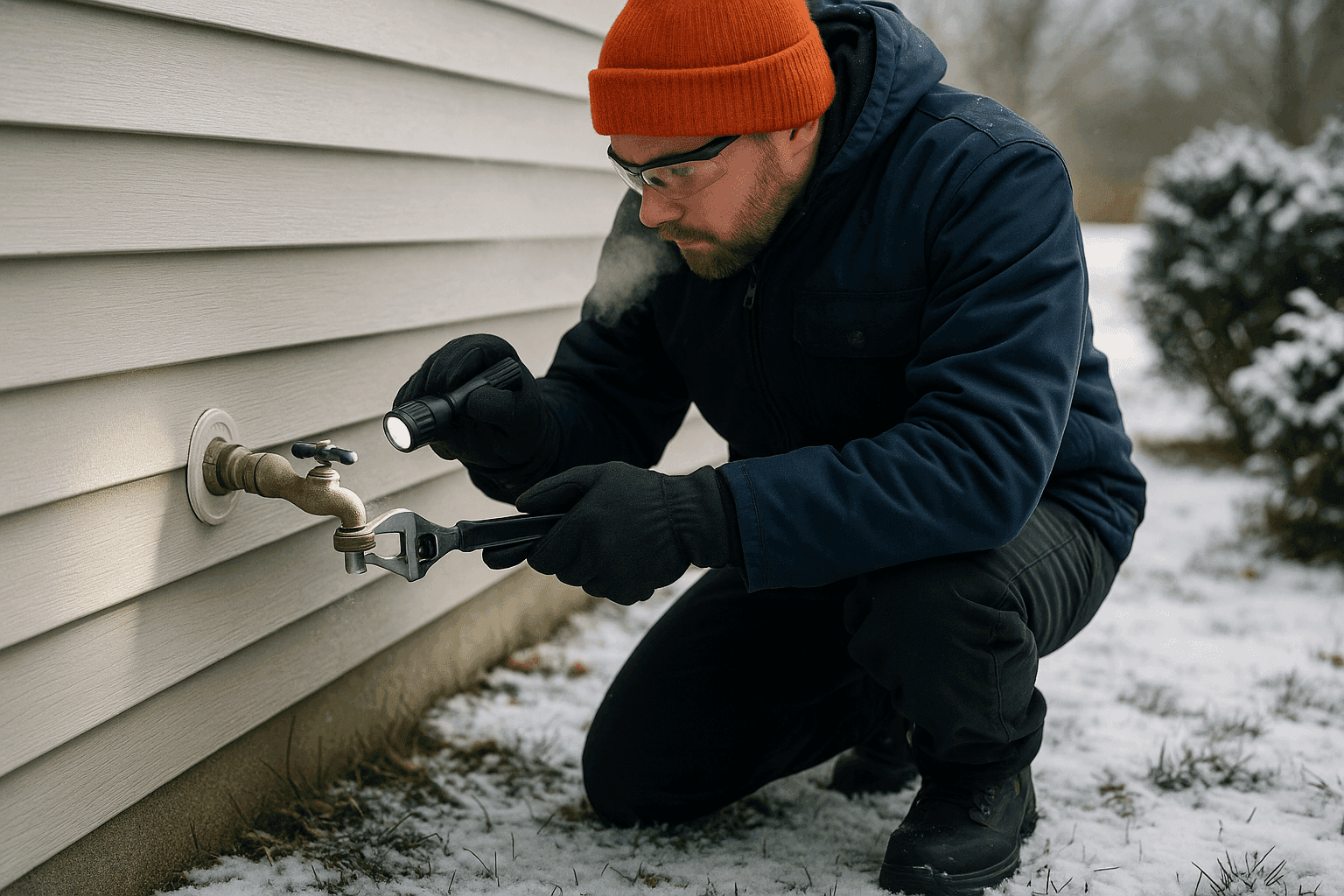
A burst pipe in winter. A flooded kitchen on the first barbecue weekend. Or a slow, mysterious leak that creeps up on your business just before the holiday rush. These aren’t just plumbing problems—they’re headaches waiting to happen.
At Narrow Way Plumbing, we know plumbing issues don’t follow a calendar. But you can. A little planning, a sharp eye, and a seasonal checklist can save you from costly repairs, wasted water, and sleepless nights. Let’s walk through what every homeowner and business manager needs to know to keep plumbing running smoothly, season after season.
Spring Plumbing Tasks 🌱
Spring is a time of fresh starts. For your plumbing, it’s a chance to recover from winter’s freeze and prep for the busy months ahead.
1. Inspect for Hidden Leaks
- Check under sinks, around toilets, and inside utility closets for moisture or mold.
- Look for water stains on ceilings and walls—an early warning sign.
- Walk your property after the snow melts. Soggy patches can signal underground leaks.
2. Test Outdoor Faucets & Sump Pumps
- Turn on exterior taps. Low flow or leaks around the handle? That’s a red flag.
- Remove winter covers and check for cracks from freezing.
- Pour a bucket of water into your sump pit. The pump should start automatically. If not, it’s time for maintenance or repair.
3. Clean Drains and Clear Gutters
- Kitchen and bathroom drains can collect debris over winter. Pour hot (not boiling) water to flush them.
- Clear gutters and downspouts. Overflow can lead to water pooling near your foundation, stressing your sump pump and pipes.
4. Review Water Heater Performance
- Set temperature to 120°F (49°C) to balance comfort and safety, as recommended by the U.S. Department of Energy.
- Drain a few gallons from the tank to remove sediment, improving efficiency and lifespan.
5. Inspect Sewer Lines
- If your business or home has mature trees, spring roots may invade aging pipes. Watch for slow drains or gurgling toilets.
- Schedule a sewer line inspection if you spot trouble—roots don’t wait.
Summer Water Usage Tips ☀️
Summer’s heat means higher water use—gardens, guests, and cooling systems all add up. Don’t let wasted water drain your wallet.
1. Check for Leaky Fixtures
- Faucets, hose bibs, and sprinklers can drip away gallons each day.
- Tighten connections and replace worn washers.
2. Inspect Irrigation and Sprinkler Systems
- Look for broken heads or puddles—signs water isn’t reaching the lawn.
- Adjust timers for early morning or late evening to reduce evaporation.
3. Watch for Toilet Issues
- Toilets often run more in summer with extra use. A running toilet can waste up to 200 gallons daily.
- Drop food coloring in the tank; if color seeps into the bowl, you need a new flapper.
4. Monitor Water Pressure
- High pressure (over 80 psi) stresses pipes and appliances. Use a pressure gauge to check outdoor spigots.
- Install a pressure-reducing valve if needed, following local plumbing codes.
5. Maintain Water Filtration & Softener Systems
- Replace filters and check salt levels in softeners.
- Clean aerators on faucets for better flow.
Fall Prep for Freezing Weather 🍂
When leaves turn, it’s time to get your plumbing ready for the cold.
1. Drain & Store Garden Hoses
- Disconnect hoses and drain them fully to prevent cracking.
- Shut off and drain outdoor faucets, using the indoor shut-off valve.
2. Insulate Exposed Pipes
- Pipes in unheated garages, basements, or crawl spaces are vulnerable.
- Wrap with foam insulation or heat tape—an easy, inexpensive fix.
3. Service Boilers & Heaters
- Schedule a check-up for boilers and water heaters. Sediment and minor leaks can worsen with winter’s demand.
- Test pressure relief valves and inspect for rust.
4. Check Sump Pump & Backflow Prevention
- Heavy autumn rains can flood basements.
- Ensure your sump pump and backflow devices are ready for action.
5. Clean Gutters Again
- Fallen leaves block drainage. Overflowing gutters spell trouble for your foundation and basement.
Winterization and Freeze Prevention ❄️
Winter’s chill can turn minor plumbing issues into major disasters. A few steps now can save thousands later.
1. Keep the Heat On
- Even if you leave your property, keep the thermostat at least 55°F (13°C).
- Open cabinet doors under sinks to let warm air reach pipes.
2. Drip Faucets on Cold Nights
- Letting a trickle of water run keeps pipes from freezing, especially on exterior walls.
3. Check for Drafts
- Seal cracks near pipes entering your home. Cold air finds its way in—warm water pipes are its favorite target.
4. Know Your Shut-Off Valve Location
- If a pipe bursts, shutting off water quickly is your best defense.
- Make sure everyone in your home or business knows where the main valve is.
5. Emergency Supplies and Plans
- Have towels, buckets, and a plumber’s number handy for sudden leaks.
- If you own a business, post emergency procedures where staff can see them.
Professional Maintenance Recommendations 🛠️
Regular checkups keep your plumbing healthy—just like annual physicals for people. Most plumbing codes (like the International Plumbing Code and Uniform Plumbing Code) recommend annual inspections, especially for commercial properties.
Why Schedule Regular Maintenance?
- Plumbers use specialized cameras to inspect sewer lines and pipes.
- Early detection of leaks, corrosion, or blockages can prevent emergencies.
- Professional drain cleaning, water heater flushing, and gas line checks keep everything running efficiently.
What a Maintenance Visit Covers
- Full inspection of all accessible pipes and fixtures.
- Testing for leaks, pressure issues, and backflow risks.
- Recommendations for upgrades or repairs, tailored to your property.
Why Early Leak Detection Matters
A pinhole leak behind a wall can waste thousands of gallons before you ever see a drop. According to the Environmental Protection Agency (EPA), household leaks can waste nearly 10,000 gallons of water every year. Early detection is not just about saving on bills—it’s about protecting your property and health.
Emergency Readiness for Storms or Freezes
No one expects a plumbing emergency, but planning ahead puts you in control.
- Keep emergency contacts visible.
- Know where your shut-off valves are.
- Store wet/dry vacuums and absorbent towels nearby.
- Inspect backup power for sump pumps before storms.
Maintenance Checklist at a Glance
- Spring: Check for leaks, test sump pumps, inspect water heater, clear drains.
- Summer: Watch for leaks, check sprinklers, monitor water pressure, change filters.
- Fall: Drain hoses, insulate pipes, service heaters, clean gutters.
- Winter: Keep heat on, drip faucets, seal drafts, know shut-off locations.
Frequently Asked Questions
How often should I check for leaks?
It’s smart to inspect visible pipes and fixtures every season. For hidden leaks, schedule a professional inspection yearly.
Is it safe to use chemical drain cleaners?
Most are harsh on pipes and can cause long-term damage. Manual removal or professional drain cleaning is safer and more effective.
Can I insulate pipes myself?
Yes—pipe insulation is easy to install and available at most hardware stores. For hard-to-reach places or large properties, professionals can help.
What’s the best way to prevent frozen pipes?
Keep heat on, insulate vulnerable pipes, and let faucets drip on the coldest nights. Know where to shut off water in an emergency.
Local & Seasonal Considerations
Every region has unique challenges. Heavy rain? Extra sump pump checks. Long winters? More insulation and freeze prevention. In older homes or commercial properties, aging pipes may need repiping or regular inspection to prevent bigger headaches.
If you’re not sure where to start, or if your to-do list is longer than your weekend, that’s where we come in.
Call Narrow Way Plumbing now — or reach us anytime at 877-748-7392 .