How to Prepare Your Plumbing for Winter Freezes and Storms
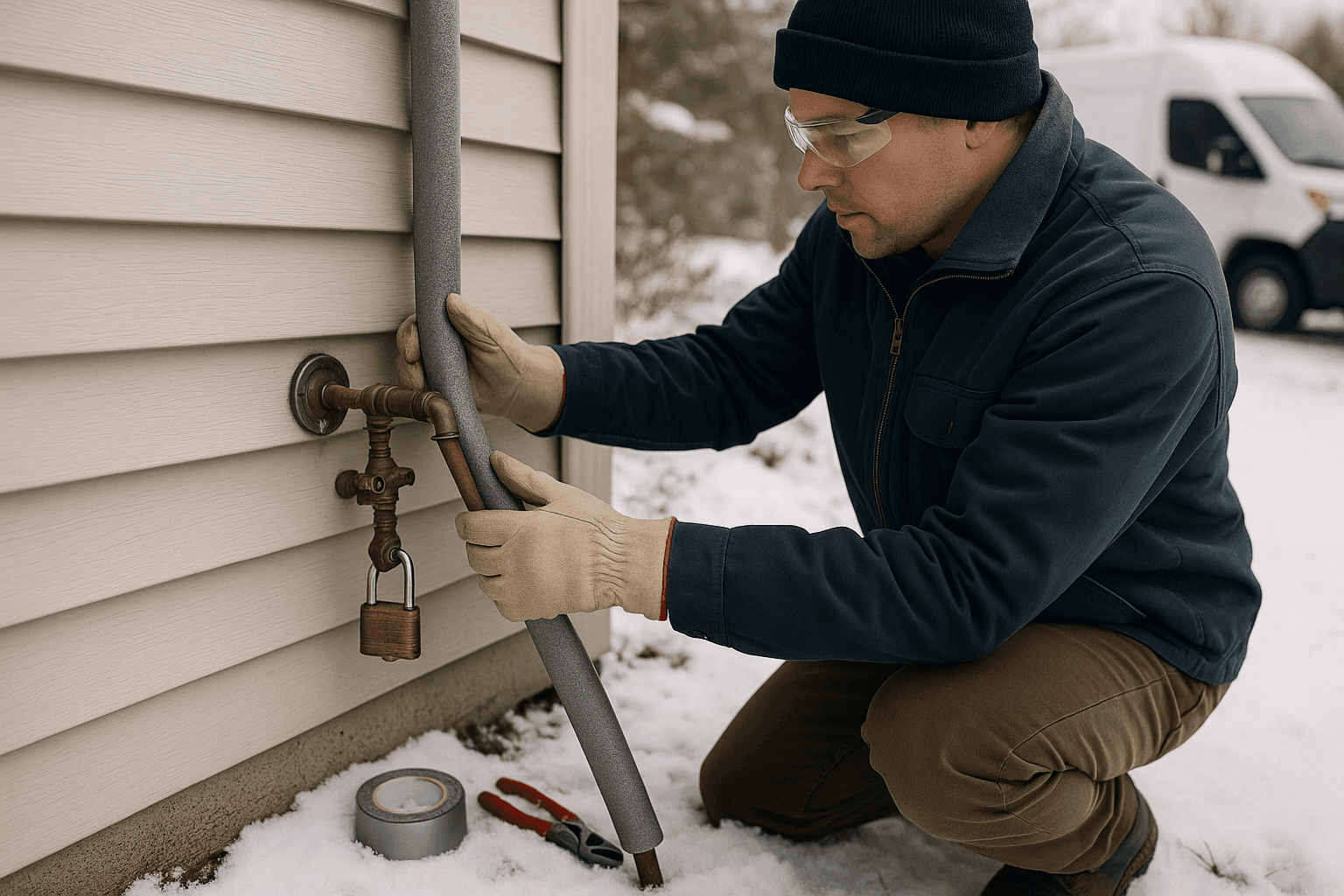
Winter sneaks up on your plumbing like a cold draft under the door. One day, everything is flowing smoothly. The next, a pipe bursts and your kitchen turns into a wading pool.
At Narrow Way Plumbing, we’ve seen it all. We know the headaches winter can bring to homeowners—and the best ways to stop disaster before it starts.
The Real Risks: Why Winter Hits Plumbing Hard
When temperatures drop, water in your pipes wants to freeze. Water expands as it turns to ice, pushing against pipe walls. If the pressure builds high enough, pipes crack open—sometimes with a bang, sometimes with a slow, silent leak that goes unnoticed until it’s too late.
Common winter plumbing problems include:
- Frozen pipes: Water stops flowing, and pipes can split.
- Burst pipes: Sudden leaks that can flood walls, floors, or basements.
- Low water pressure: Ice blockages slow everything down.
- Water heater strain: Heaters work overtime, risking breakdown.
- Sump pump failure: Melting snow or heavy rain can overwhelm pumps.
The U.S. Department of Energy and the International Code Council both stress the importance of winterizing plumbing to avoid costly repairs and safety hazards.
Quick Safety Checklist for Winter Plumbing Prep 🧤
Before winter storms hit, run through these essential steps:
- Insulate exposed pipes in unheated areas (attics, basements, garages).
- Disconnect and drain outdoor hoses and faucets.
- Check your water heater for leaks or odd noises.
- Test your sump pump with a bucket of water.
- Seal foundation cracks to keep cold air out.
- Know where your main water shut-off valve is located.
- Set your thermostat to at least 55°F, even when away.
A few minutes now can save you hours of cleanup and thousands in repairs.
How to Winterize Pipes: Insulation and Heat Tape
Think of your pipes like runners in a marathon. They need protection from the cold to keep performing. Here’s how you can help:
Insulate Exposed Pipes
- Use foam pipe sleeves or fiberglass insulation.
- Focus on pipes along exterior walls, in crawl spaces, and near windows.
- Secure insulation with zip ties or tape, making sure there are no gaps.
Add Heat Tape for Extra Protection
- Apply electric heat tape to especially vulnerable pipes.
- Follow manufacturer instructions—never overlap tape or use it on plastic pipes unless rated safe.
- Plug heat tape into a GFCI outlet for safety.
Keep Cabinet Doors Open
- Let warm air circulate around pipes under sinks, especially against outside walls.
The American Red Cross recommends these steps for homes in cold climates.
Water Heaters and Boilers: Cold Weather Best Practices
Hot water is a winter necessity. Your water heater and boiler work overtime when the temperature drops. Give them some TLC:
- Flush your water heater to remove sediment buildup. This helps efficiency and extends the unit’s life.
- Check the pressure relief valve for leaks or corrosion.
- Insulate the tank and hot water pipes with approved insulation blankets.
- Schedule annual maintenance for boilers, following manufacturer and safety code guidelines.
If your water heater is making strange noises—popping, rumbling, or whistling—it may be signaling trouble. Don’t ignore it.
Outdoor Water Sources and Sump Pump Checks
The great outdoors can be your plumbing’s enemy in winter. Here’s how to outsmart the freeze:
Shut Off and Drain Outdoor Faucets
- Locate and close the shut-off valves for outdoor spigots.
- Open the faucet to let any remaining water drain out.
- Store hoses indoors to prevent cracking.
Sump Pump Readiness
- Pour water into the sump pit to make sure the pump turns on and drains properly.
- Clean the pump’s intake screen.
- Check the discharge line outside—make sure it’s not blocked or frozen.
A working sump pump is your last line of defense against basement flooding during winter storms.
Emergency Preparedness: Leak Detection and When to Call for Help 🚨
Even with the best preparation, winter can throw curveballs. Be ready to act fast:
Early Warning Signs
- Unexpected drops in water pressure.
- Damp spots, stains, or puddles near walls and ceilings.
- Frost on exposed pipes.
- Unusual sounds—like running water when taps are off.
What to Do in a Plumbing Emergency
- Shut off the main water valve immediately.
- Open faucets to relieve pressure.
- Move valuables away from leaks.
- Call for emergency plumbing help—don’t wait until damage spreads.
Narrow Way Plumbing responds to all types of winter emergencies, day or night.
DIY vs. Call a Pro: Knowing Your Limits
Some winter prep tasks are perfect for handy homeowners. Others are better left to those with training and the right tools.
DIY-friendly:
- Installing foam pipe insulation.
- Draining and disconnecting hoses.
- Testing sump pumps.
Call a professional if:
- You find leaks or suspect hidden damage.
- Pipes are frozen and you can’t thaw them safely.
- Your water heater or boiler shows signs of trouble.
- You’re not sure how to use heat tape or insulation safely.
Remember, working with gas lines or major pipe repairs requires licensed expertise for safety and code compliance.
What Pros Do On Arrival
When you call for emergency plumbing help, here’s what to expect:
- Assessment: A thorough check of your plumbing system, including hidden pipes and valves.
- Leak detection: Using specialized tools to find leaks behind walls or under floors.
- Pipe thawing: Safe methods to thaw frozen pipes without causing bursts.
- Repairs: Fixing or replacing damaged pipes, valves, or fixtures.
- System checks: Verifying water heater, boiler, and sump pump operation.
All work is performed according to industry standards, such as those set by the Uniform Plumbing Code and National Fire Protection Association (for gas lines).
Prevention & Maintenance: Keeping Plumbing Safe All Season
An ounce of prevention is worth a gallon of water saved. Here’s how to keep your plumbing healthy all winter:
- Schedule annual inspections for your water heater, boiler, and sump pump.
- Replace worn washers and gaskets before they fail.
- Install water leak detectors for early alerts.
- Add pipe insulation in new areas as needed.
- Keep gutters clear to prevent ice dams that can affect plumbing vents.
Regular maintenance helps you spot small problems before they become big ones.
Costs & Time Factors: What to Expect
Winter plumbing prep can be quick and affordable—or, if left too late, expensive and time-consuming.
- Insulating pipes: Usually takes a few hours, with modest material costs.
- Water heater service: Annual maintenance is a small investment compared to replacement.
- Emergency repairs: Can take several hours and cost more, especially if water damage is involved.
- Frozen pipe thawing: May require immediate attention to prevent bursting.
Waiting until after a freeze hits often means higher costs and longer wait times for repairs.
When It’s an Emergency
It’s an emergency if:
- Water is leaking or gushing from pipes, ceilings, or walls.
- You have no water at all (could signal a frozen or burst main).
- Your water heater is leaking or making loud noises.
- There’s a strong gas smell near your boiler or gas lines.
Don’t try to tough it out. Fast action can prevent more damage to your home and belongings.
Frequently Asked Questions
How can I tell if my pipes are about to freeze?
Look for slow water flow, especially from faucets along exterior walls. Frost on pipes is another warning sign.
Can I thaw frozen pipes myself?
You can try using a hair dryer or warm towels, but never use an open flame. If you can’t reach the pipe or it’s already cracked, call a professional.
How often should I check my sump pump in winter?
Test it monthly by pouring water into the pit. Make sure the discharge line isn’t blocked by ice or debris.
Is it safe to turn off my water when leaving home for vacation?
Yes, shutting off the main water valve can prevent flooding from unexpected pipe bursts while you’re away.
Special Considerations for Winter Plumbing
- Homes with older plumbing are more at risk for bursts and leaks.
- If you have a finished basement, take extra care with sump pump maintenance.
- Water filtration and backflow prevention devices should be checked before winter to avoid contamination during storms.
- Gas line installation and checks should only be performed by licensed professionals, especially before using fireplaces or gas appliances more frequently.
Winter’s chill doesn’t have to spell trouble for your home. With a little preparation and the right support, you can keep your plumbing running smoothly through every freeze and storm.
Call Narrow Way Plumbing now — or reach us anytime at 877-748-7392 .