The Ultimate Guide to Preventing Costly Plumbing Leaks
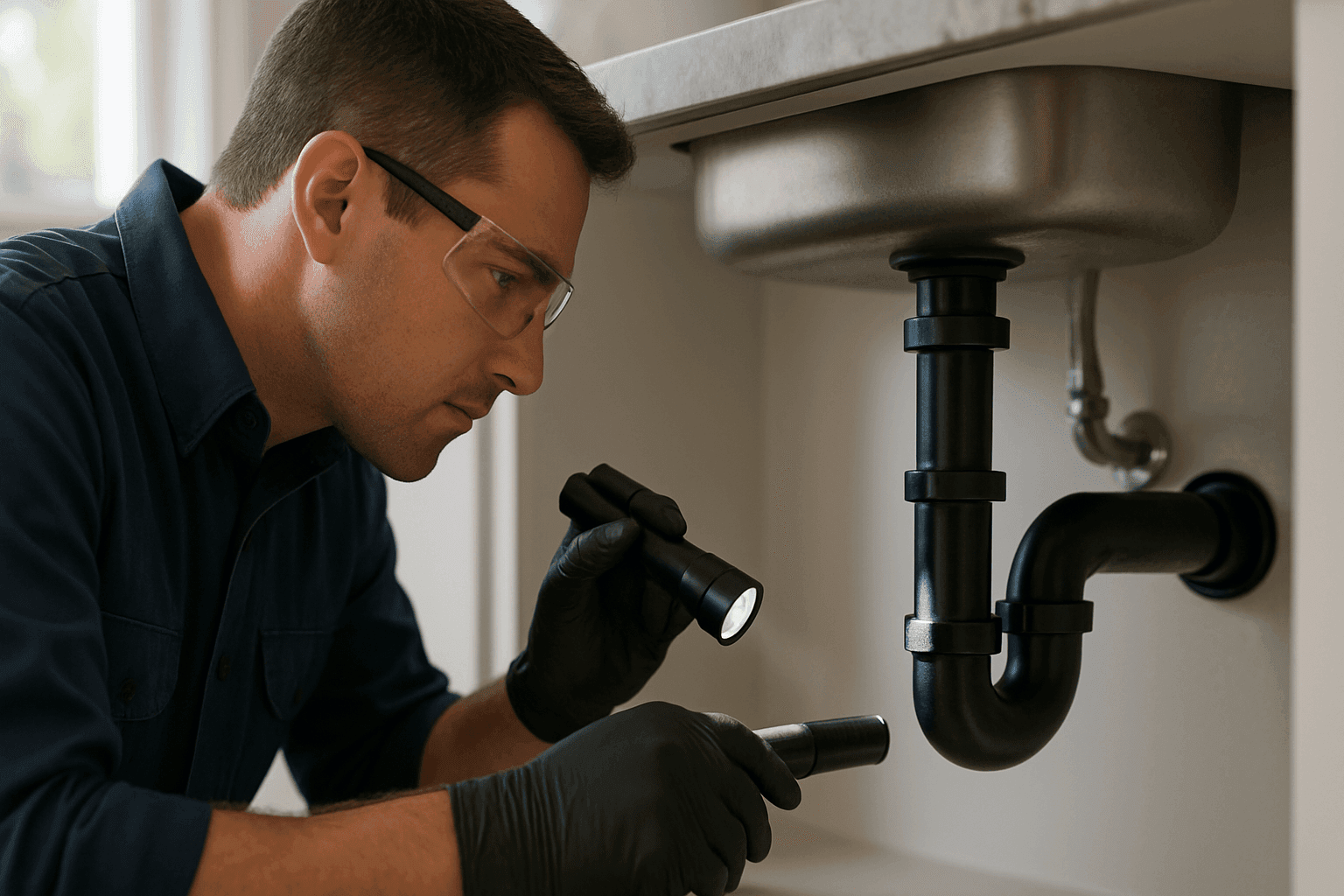
Have you ever woken up to the sound of dripping water, only to discover a spreading puddle under your sink or a stain on your ceiling? Plumbing leaks don’t just make a mess—they can quietly drain your bank account, damage your property, and even risk your health.
At Narrow Way Plumbing, we’ve seen how one overlooked drip can snowball into a costly repair. Whether you're a homeowner or run a busy office, knowing how to spot and stop leaks before they escalate is the key to peace of mind.
Why Plumbing Leaks Happen 🛠️
Plumbing leaks can sneak up on anyone. Pipes are hidden behind walls, beneath floors, and under sinks—out of sight, out of mind. But small problems can grow fast. Here’s why:
- Aging Pipes: Like knees and elbows, pipes wear down over time. Metal corrodes. Plastic grows brittle. Joints loosen.
- Water Pressure: High water pressure is great for showers, but it can strain pipes and cause bursts or leaks—especially in older plumbing.
- Clogs and Blockages: Build-ups in toilets, sinks, or sewer lines force water to seek escape, sometimes through the tiniest cracks.
- Temperature Changes: Freezing can make pipes contract and split. Sudden heat can stress fittings.
- Faulty Fixtures or Installations: Improperly installed toilets, sinks, or garbage disposals can leak from day one.
- Foundation Shifts: Buildings settle. Pipes shift. Connections loosen. Leaks follow.
For both homes and businesses, leaks can mean more than a nuisance. Water damage ruins flooring, weakens walls, and can invite mold. According to the Environmental Protection Agency (EPA), leaks waste nearly one trillion gallons of water in U.S. homes annually. That’s money down the drain.
Regular Maintenance to Prevent Leaks
Staying ahead of leaks isn’t luck—it’s maintenance. Think of your plumbing like a car: it runs best with regular tune-ups.
Your Plumbing Leak Prevention Checklist
- Inspect All Visible Pipes: Look under sinks, behind toilets, and in basements for any moisture or corrosion.
- Check Appliance Hoses: Inspect washing machines, dishwashers, and refrigerators. Replace hoses that are brittle or bulging.
- Monitor Water Bills: A sudden spike can mean a hidden leak. Compare each month’s bill for unexplained increases.
- Test Water Pressure: Use a simple gauge at a hose spigot. Residential pressure should be between 40–60 psi. Anything higher? Ask about a pressure regulator.
- Examine Caulking and Seals: Around sinks, tubs, and toilets. Cracked or missing caulk lets water seep in where you can’t see.
- Flush Water Heaters: Sediment build-up can cause corrosion and leaks. A yearly flush extends life and prevents surprises.
- Check for Toilet Leaks: Drop a few drops of food coloring in the tank. If color shows in the bowl within 30 minutes, you’ve got a leak.
- Listen for Drips: Sometimes your ears are the first line of defense. Even a faint, persistent sound can signal trouble.
For commercial properties, add these:
- Regularly Inspect Restroom Fixtures: High-traffic bathrooms mean more wear and tear.
- Check Sprinkler and Irrigation Systems: Leaks here add up fast—especially after winter.
- Schedule Routine Professional Inspections: Commercial plumbing systems are more complex; periodic inspections catch problems early.
Seasonal Considerations
Seasons change—and so do your plumbing risks.
Winter: Freeze Protection
Cold snaps are notorious for bursting pipes. Water expands as it freezes, and even sturdy pipes can split. Prevent this by:
- Insulating pipes in basements, crawl spaces, garages, and exterior walls.
- Letting faucets drip slowly during deep freezes to keep water moving.
- Sealing cracks and openings around doors and windows to keep cold air away from pipes.
Spring & Summer: Storm Prep
Heavy rain and storms can overwhelm drains and sewer lines.
- Clear gutters and downspouts to prevent water from pooling near your foundation.
- Check sump pumps and backflow prevention devices ahead of rainy seasons.
- Inspect yard drains and stormwater systems for debris.
Fall: Pre-Winter Checklist
- Disconnect and drain outdoor hoses.
- Service boilers and water heaters.
- Schedule a professional sewer line inspection, especially if you have mature trees nearby—roots search for water and can invade sewer lines.
Early Warning Signs and What to Watch For 👀
Plumbing leaks rarely announce themselves with a flood. Instead, they whisper. Here’s what to watch for:
- Unexplained Water Stains: Ceilings, walls, or floors with discoloration or soft spots.
- Musty Odors: Persistent damp smells, especially in basements or under sinks.
- Peeling Paint or Wallpaper: Moisture behind walls causes bubbling or peeling.
- Loose Tiles: Especially in bathrooms or kitchens, where water seeps underneath.
- Low Water Pressure: Sudden drops can signal a hidden leak or blockage.
- Slow Drains: More than just a nuisance, it may mean a clog or break in the line.
- Sounds of Running Water: When everything is off, but you still hear water moving.
If you notice any of these, act quickly. The longer a leak goes unchecked, the higher the risk—and the cost.
Problem/Scenario: What Happens If You Ignore a Leak?
Imagine a slow drip under your bathroom sink. It seems minor. But over weeks, that moisture can soften cabinets, warp flooring, and create a haven for mold. In commercial spaces, a hidden leak can close restrooms, disrupt business, or even compromise building safety.
Insurance claims for water damage can be expensive. Worse, some policies may not cover long-term, unnoticed leaks. Prevention always wins over cleanup.
Quick Safety Checklist
- Shut off the main water supply if you spot an active leak.
- Unplug electrical appliances near water-damaged areas.
- Mop up standing water, but don’t touch wiring or outlets.
- Call a licensed plumber for assessment—especially if you can’t locate the source.
DIY vs. Call a Pro
Some leaks are an easy fix. Others demand professional skills.
DIY
- Tightening loose faucet handles.
- Replacing worn washers or sealing around sinks.
- Using a plunger or snake for basic clogs.
Call a Professional Plumber
- Pipe bursts or visible water damage.
- Leaks inside walls, ceilings, or under slabs.
- Issues with gas lines, water heaters, or sewer lines.
- Persistent or recurring leaks after DIY fixes.
Attempting complicated repairs without proper skills can make things worse. Professional plumbers follow codes (like the International Plumbing Code and local safety guidelines), use specialized tools, and ensure repairs last.
What Pros Do On Arrival
When a plumber from Narrow Way Plumbing arrives, here’s what you can expect:
- Thorough Inspection: From water meters to all fixtures and exposed pipes.
- Leak Detection Tools: Thermal cameras, moisture meters, or listening devices to pinpoint hidden leaks.
- Clear Diagnosis: An explanation of the problem, the likely cause, and recommended solutions.
- Professional Repairs: From replacing pipes to resealing fixtures, everything is done to code.
- Follow-Up Advice: Maintenance tips to prevent future leaks.
For businesses, plumbers may also inspect backflow prevention systems, sump pumps, and main water lines—keeping everything running smoothly.
Prevention & Maintenance
An ounce of prevention is worth a gallon of cure. Make these habits part of your routine:
- Schedule annual plumbing inspections.
- Replace old pipes before they fail—especially galvanized or polybutylene.
- Upgrade fixtures to water-efficient models.
- Add leak detectors or smart water sensors for early warnings.
- Keep records of repairs and inspections; it helps with maintenance planning.
Commercial buildings should have a written plumbing maintenance schedule, including regular backflow testing, boiler inspections, and employee reporting protocols for leaks or water issues.
Costs & Time Factors
Plumbing repairs range from simple fixes to large-scale overhauls. Here’s what influences cost and time:
- Type of Leak: Faucet drips are quick, while slab leaks require more work.
- Location: Accessible pipes are easier (and cheaper) to repair than those behind walls or underground.
- Materials Needed: Sometimes entire sections of pipe, fixtures, or appliances must be replaced.
- Extent of Damage: Early detection means less repair. Water-damaged floors, walls, or ceilings can add significant costs.
- Emergency Response: Nights, weekends, or holidays may increase service fees.
A minor faucet fix may take under an hour, but major repairs—like repiping or sewer line replacement—can last several days. Budget for both the repair and any necessary restoration work (like drywall or flooring).
When It’s an Emergency
Not all leaks can wait. Call for immediate help if you experience:
- A burst pipe or major water flow you can’t control.
- Sewage backup or strong odors from drains.
- No water or very low pressure throughout your property.
- Water near electrical panels or outlets.
In these cases, shut off the main water valve and call right away. Quick action limits damage and keeps everyone safe.
FAQ
How often should I have my plumbing inspected?
For most homes, once a year is a good rule of thumb. Commercial properties with higher use may need more frequent checks—every six months.
Are there warning signs of leaks behind walls?
Yes. Look for stains, warped surfaces, bubbling paint, or musty smells. A sudden drop in water pressure can also be a clue.
Can leaks affect my water quality?
Absolutely. Leaks can introduce contaminants or foster mold growth, affecting both water quality and air quality.
Is leak detection worth it for small businesses?
Definitely. A small leak in a restroom or kitchen can quickly become a big expense—or a liability. Early detection protects your business and your bottom line.
Local/Seasonal Considerations 🌦️
Where you live—and what your property is used for—makes a difference.
- Older Homes: Original plumbing may need upgrades. Look for signs of corrosion or outdated materials.
- Businesses: High-traffic bathrooms and kitchens mean more wear. Schedule regular inspections for peace of mind.
- Cold Climates: Insulate pipes and keep heat on in unoccupied spaces.
- Rainy Regions: Make sure sump pumps and drainage systems are working before the storms hit.
For both residential and commercial properties, prevention is always more affordable than repairs. Staying ahead of leaks keeps your property, wallet, and peace of mind intact.
Call Narrow Way Plumbing now — or reach us anytime at 877-748-7392 .