Sewer Line Repair & Replacement: What to Expect
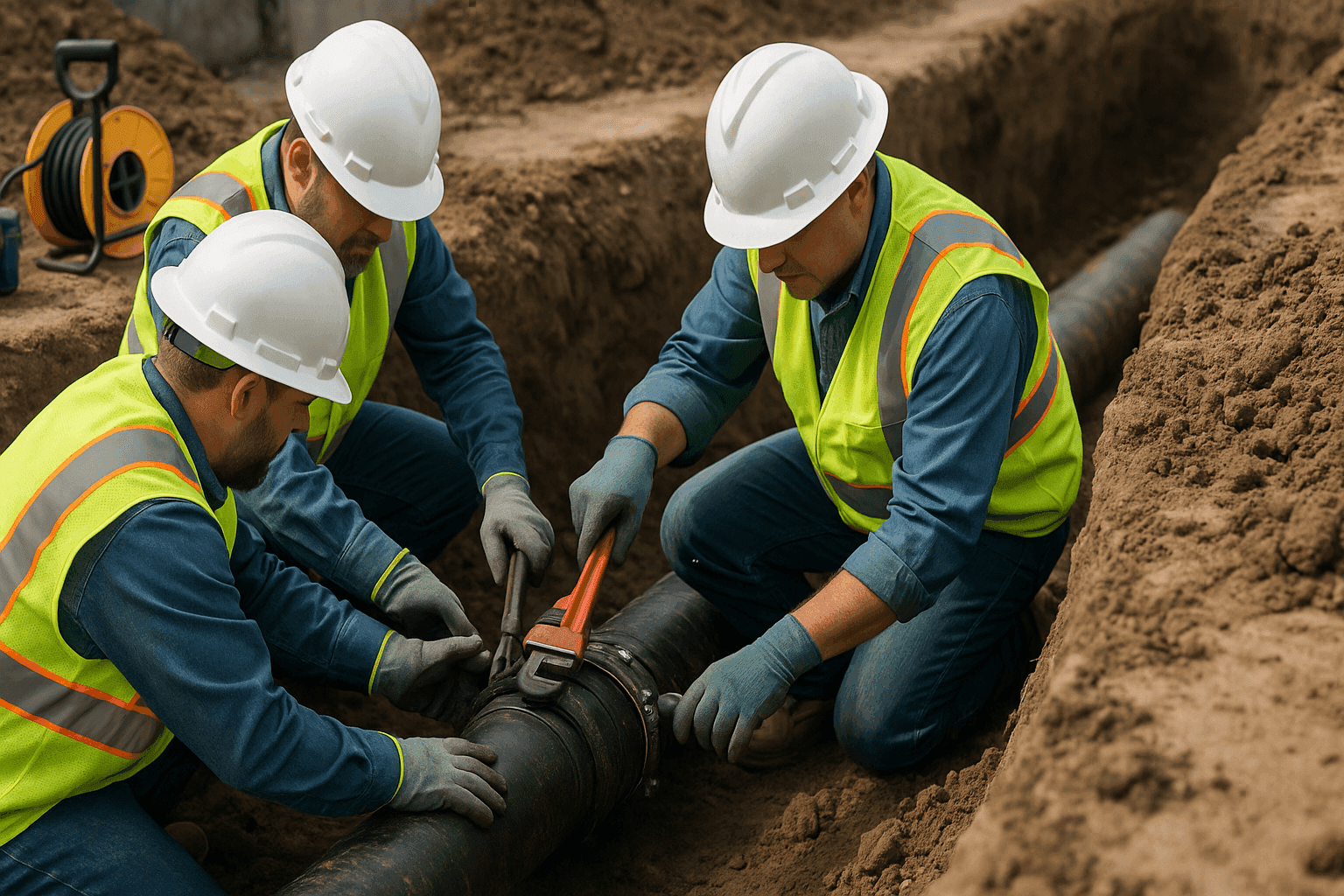
Every home and business relies on a silent hero: the sewer line. It works quietly, moving waste away from your space. But when it fails, it’s anything but silent. If you’re facing slow drains, strange smells, or soggy patches in your yard, you’re not alone—and you’re not powerless.
At Narrow Way Plumbing, we know sewer problems can feel overwhelming. No one wants to see a trench in their yard or face the unknowns of a major plumbing job. With clear communication, transparent steps, and safety-first service, we guide you through every part of the process.
Signs You Need Sewer Line Repair 🛑
Sewer line issues rarely arrive with a polite knock. The signs are often subtle at first, then escalate fast:
- Gurgling sounds from toilets or drains, even when nothing’s running.
- Slow drains throughout your kitchen and bathrooms (not just one).
- Sewage smells wafting from drains or around your yard.
- Lush, soggy spots outside—sometimes greener grass means a leak below.
- Backups in sinks, tubs, or toilets, especially during heavy water use.
- Mold or water damage on walls or floors.
A single clogged toilet can be a nuisance. Multiple slow drains? That’s often a red flag for a sewer line issue. Don’t ignore these signs—think of them as your home’s version of a warning light on your car’s dashboard.
Inspection and Diagnostic Methods
Pinpointing the problem requires more than guesswork. Here’s how professionals get to the heart of the issue:
1. Video Camera Inspection
A tiny, waterproof camera snakes through your pipes. It’s like sending a scout down a dark tunnel—looking for cracks, roots, clogs, and collapsed sections.
2. Smoke Testing
For commercial properties, safe, non-toxic smoke is pushed through lines to spot hidden leaks. Where the smoke escapes, so does your wastewater.
3. Dye Testing
Dye can help trace leaks in complex systems, especially in multi-unit buildings.
4. Listening Devices
Sensitive equipment “hears” leaks underground, much like a doctor’s stethoscope hears a heartbeat.
Professionals use these tools to avoid unnecessary digging. As per the EPA and Uniform Plumbing Code, accurate diagnostics save time, money, and property.
Repair vs. Replacement: Key Differences
You’ve got options—but which path is right for your situation?
Sewer Line Repair
- Spot Repairs: Fixes a specific damaged section (like patching a tire instead of replacing it).
- Pipe Relining: A resin-soaked liner creates a new pipe inside the old one—minimal digging required.
- Root Removal: Tree roots are cut away, and damaged pipe is sealed.
Sewer Line Replacement
- Full Line Replacement: Required for collapsed, corroded, or severely damaged pipes.
- Trenchless Replacement: Uses minimal excavation. Methods like pipe bursting break up the old pipe while pulling in a new one.
- Traditional Dig-and-Replace: Sometimes necessary for extensive damage or when trenchless isn’t possible.
Key difference: Repair targets the problem area. Replacement upgrades the entire line. The right choice depends on pipe age, material, and extent of damage. Local plumbing codes and safety guidelines (like those from the International Plumbing Code) guide these decisions.
Typical Costs and Timelines 💸
There’s no one-size-fits-all answer, but here’s what to expect:
- Minor repairs: Usually take several hours to a day.
- Pipe relining: 1–2 days, with little disruption indoors.
- Full replacement: 1–3 days for most homes, longer for commercial sites or deep pipes.
Cost drivers include:
- Length and depth of the line.
- Pipe material (cast iron, clay, PVC, etc.).
- Accessibility—lines under driveways or landscaping take longer.
- Local code requirements and inspection fees.
Always ask for a detailed estimate. A reputable plumbing company like Narrow Way Plumbing explains each line item before work begins. No one likes surprise costs. We keep you informed every step of the way.
How to Prepare Your Property
A little prep goes a long way:
- Clear access: Move vehicles, outdoor furniture, or decorations near the work area.
- Secure pets and children: Keep them away from the work zone for safety.
- Plan for water shutoff: You may be without water for part of the job. Fill a few buckets for cleaning or flushing.
- Protect valuables: Remove or cover items in basements or crawlspaces near plumbing lines.
For commercial spaces, alert tenants or staff about possible disruptions. Post signs or send emails in advance.
Transparency, Safety Protocols, and Communication Tips
Trust matters when your home or business is on the line.
- Transparency: You get upfront explanations of the process, costs, and possible outcomes.
- Safety: Crews follow OSHA and local safety standards—hard hats, barricades, and careful trenching are non-negotiable.
- Communication: Expect daily updates. Ask questions. Good contractors welcome them.
Keep a written record of conversations and updates. It’s your project, and you deserve to understand what’s happening at every step.
What Symptoms Mean: Real-World Scenarios
- Toilets bubbling when you shower? That’s often a vent or main line issue.
- Water pooling in your basement? The culprit might be a cracked underground sewer or a failed sump pump.
- Sudden spike in your water bill? That’s your pipes crying for help.
Don’t wait for a crisis. Early action limits damage and keeps costs manageable.
Practical Tips to Minimize Disruption
- Coordinate with your plumber: Set clear start and stop times.
- Protect your landscaping: Ask if trenchless methods are possible.
- Secure entry points: Make sure work areas are locked after hours.
- Document the property: Take before-and-after photos for your records.
Frequently Asked Questions
How do I know if I need repair or full replacement?
If the issue is isolated—like a single break or root intrusion—repair may be enough. Widespread damage, extensive corrosion, or repeated failures usually mean it’s time for replacement. A video inspection will reveal the full story.
Will my yard or driveway be destroyed?
Not always. Trenchless repair and replacement methods minimize digging. In some cases, only a few small access pits are needed. For older properties or deep lines, some excavation may be unavoidable—but your plumber will explain exactly what’s required.
How long will I be without service?
Most repairs mean a few hours to a day without water or drain access. Full replacements may require several days, especially for large or commercial properties. Your plumber should provide a clear timeline up front.
Are there safety or health risks?
Sewer line work can expose harmful bacteria and gases. Licensed plumbers use protective gear, proper ventilation, and follow state/local guidelines to keep everyone safe. If you notice foul odors, avoid the area until the issue is addressed.
Local and Seasonal Considerations 🌦️
Seasonal shifts matter. In colder months, frozen ground makes digging tougher and may add time to the project. Heavy rains can flood trenches or slow work. In older neighborhoods, pipes may be more brittle or made from materials no longer up to code.
Always check local regulations—some municipalities require permits or inspections before and after sewer work. A licensed plumber handles this paperwork for you, but it’s good to ask.
Reference Standards
All work should comply with:
- Uniform Plumbing Code (UPC)
- International Plumbing Code (IPC)
- OSHA safety requirements
- State and local plumbing ordinances
Ready for a Clear Path Forward?
Sewer line repairs don’t have to be a mystery. With the right team, clear communication, and safety-first service, you can get back to normal—without the guesswork.
Call Narrow Way Plumbing now — or reach us anytime at 877-748-7392 .